Establishing a Lead-Acid Battery Recycling Plant in India: Collaborative Solutions for Sustainable Waste Management
In recent years, India has faced mounting challenges in managing the growing volume of spent lead-acid batteries (SLABs), driven by rapid industrialization, automotive sector expansion, and increasing reliance on backup power systems. Improper disposal of these batteries poses severe environmental and health risks due to lead contamination in soil, water, and air. Recognizing this urgent need, our company partnered with an Indian client to design, construct, and commission a state-of-the-art lead-acid battery recycling facility, addressing both operational inefficiencies and regulatory compliance hurdles. This case study highlights our collaborative approach to overcoming technical, logistical, and environmental challenges while empowering the client to achieve sustainable waste management goals.
Client Background and Challenges
The Indian client, a mid-sized industrial enterprise, sought to transition from informal battery disposal methods to a formal recycling operation aligned with India’s stringent environmental regulations, including the Batteries (Management and Handling) Rules, 2022. Their primary challenges included:
Lack of Technical Expertise: Limited knowledge of advanced recycling technologies and process optimization.
Regulatory Complexity: Navigating India’s evolving waste management policies and obtaining necessary permits.
Operational Inefficiency: High energy consumption, low recovery rates, and secondary pollution risks in existing informal recycling units.
Market Demand: Meeting the growing domestic demand for recycled lead while ensuring cost-effectiveness.
Our Comprehensive Solution
Leveraging our global expertise in sustainable recycling technologies, we delivered an end-to-end solution tailored to the client’s needs:
1. Plant Design and Technology Integration
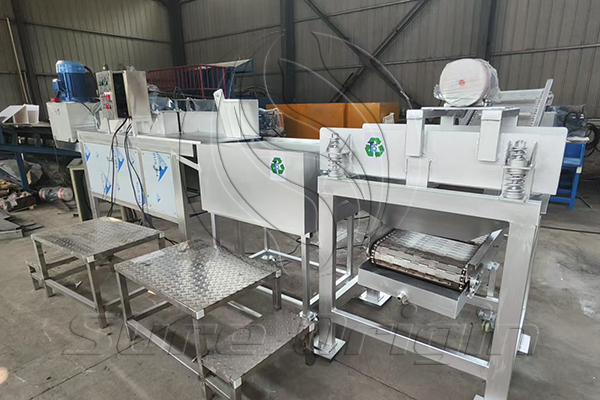
We engineered a fully automated recycling plant with a capacity of 10,000 metric tons per annum, incorporating:
Pre-Processing Unit: Safe disassembly and separation of battery components (plastic casings, lead grids, and electrolyte).
Smelting Furnace: A secondary lead smelting system with advanced pollution control mechanisms to minimize emissions.
Refining and Alloying: High-purity lead recovery (99.97%) and custom alloy production for battery manufacturing.
Waste Treatment Systems: Acid neutralization and water recycling to prevent groundwater contamination.
2. Regulatory Compliance and Training
Our team facilitated the client’s adherence to India’s environmental standards by:
Assisting in obtaining approvals from the Central Pollution Control Board (CPCB) and state authorities.
Conducting workshops on occupational safety, emission monitoring, and waste tracking protocols.
Implementing real-time data management systems for transparent reporting to regulators.
3. Process Optimization and Cost Efficiency
To enhance profitability, we:
Integrated energy recovery systems to reduce fuel consumption by 30%.
Introduced a closed-loop water system, cutting freshwater usage by 80%.
Optimized material recovery rates, ensuring 95% of lead and 100% of plastic casings were recycled.
4. Supply Chain and Market Integration
We supported the client in:
Establishing partnerships with automotive companies and UPS manufacturers for raw material supply.
Developing a quality certification framework to meet international standards (ISO 14001, ISO 45001).
Creating a logistics network for cost-effective collection of spent batteries across multiple states.
Results and Impact
The project achieved remarkable outcomes within the first year of operation:
Environmental Benefits: Reduced lead emissions by 90% compared to informal recycling units and prevented over 5,000 tons of hazardous waste from entering landfills.
Economic Viability: The client reported a 25% increase in profit margins due to lower operational costs and higher-quality recycled lead.
Regulatory Recognition: The plant received accolades from the CPCB for setting benchmarks in sustainable recycling practices.
Community Impact: Created 150+ skilled jobs and raised awareness about e-waste management in local communities.
Client Testimonial
"Partnering with Sure Origin Machine transformed our approach to waste management. Their technical precision, regulatory guidance, and commitment to sustainability enabled us to build a plant that not only meets India’s environmental standards but also sets a global example for responsible recycling."
— Mr. Rajesh Verma, CEO,
Conclusion
This project underscores the importance of collaborative innovation in tackling global e-waste challenges. By combining cutting-edge technology with localized expertise, we empowered our Indian client to establish a scalable, eco-friendly recycling ecosystem. As India continues to prioritize circular economy principles, such partnerships will be critical in driving sustainable industrial growth and protecting public health.
Sure Origin Machine remains committed to advancing green technologies and supporting clients worldwide in their transition to a zero-waste future.
This article can be further customized with specific data, client quotes, or project milestones as per requirements. Let me know if you'd like to refine any section!
Please leave your contact information and requirements, so that our professional team can contact you ASAP.